

Disclaimer: This article shares personal experiences and general educational information. It is not medical advice and should not replace care from your OB-GYN or fertility specialist.
By the time I reached cycle thirteen, I could tell you exactly what day I ovulated, what my basal body temperature looked like, and how many days past ovulation I was without opening a single app.
I had the charts.
The notifications.
The supplements lined up in my closet.
The ovulation strips tucked into every bathroom drawer.
And yet, I still wasn’t pregnant.
Like many women trying to conceive, I believed that if I tracked hard enough, researched enough, optimized enough, eventually the answer would reveal itself. But fertility tracking can only tell you when something is happening. It can’t always tell you why it isn’t.
The most important shift in my fertility journey didn’t happen when I downloaded another app.
It happened when I stopped trying to solve everything myself and finally sat down with my doctor.
The Hidden Problem With Fertility Tracking
Tracking is useful. In fact, it can be incredibly empowering.
It can help you:
- Identify ovulation
- Understand cycle length
- Spot irregularities
- Time intercourse more effectively
- Gather information to share with your doctor
But after months of staring at charts, I realized something important: Data is not a diagnosis.
Delphine R., married 2021
Data is not a diagnosis.
You can have perfectly timed intercourse and still have something standing in the way.
- A blocked tube.
- Low progesterone.
- Male factor infertility.
- Poor egg quality.
- Hormonal imbalances.
- An ovulation issue you didn’t even know existed.
Tracking helped me understand my body.
Testing helped me understand what was actually happening.
The Conversation I Wish I’d Had Earlier
When I finally met with my fertility specialist, she didn’t start by asking which app I used.
She started by looking at the bigger picture.
Together we discussed:
Hormone Testing
One of the first things many fertility doctors will evaluate is your hormone profile.
This may include:
- AMH (ovarian reserve)
- FSH
- LH
- Estradiol
- Progesterone
- Testosterone
- Thyroid function
- Prolactin
Sometimes the answer isn’t timing at all.
It’s chemistry.
A Semen Analysis
This is the conversation many couples avoid.
But infertility is not solely a female issue.
Male factor infertility contributes to roughly half of infertility cases.
A semen analysis is relatively simple, affordable, and often one of the most informative tests available.
If you’re under 35, most doctors recommend seeking an evaluation after one year of trying. If you’re 35 or older, many recommend scheduling an evaluation after six months. Your doctor may recommend earlier testing based on your history.
An HSG (Tubal Flush)
One test I had never heard much about was an HSG, or hysterosalpingogram.
During this procedure, dye is used to evaluate whether your fallopian tubes are open.
Some women even conceive in the months following the procedure, possibly because the process can clear minor blockages.
It’s not always comfortable, but for many women it provides valuable answers.
Imaging the Uterus and Ovaries
Your doctor may recommend imaging to look at the structure of the uterus.
This can identify:
- Fibroids
- Polyps
- Scar tissue
- A uterine septum
- Other anatomical concerns
Because sometimes everything appears normal on paper while something physical is preventing implantation.
The Treatments I Learned About
Not every woman needs fertility treatment.
But many women benefit from additional support.
Letrozole
One medication that comes up frequently is Letrozole.
Originally developed for breast cancer treatment, it is now commonly prescribed to stimulate ovulation.
Many women who ovulate irregularly — or even women who ovulate regularly but need stronger ovulation support — find success with Letrozole under a physician’s guidance.
I don’t want to scare you away from Letrozole because every woman’s body is different, but I did not feel well while taking this medication. I experienced mood swings and by the time I was on day 4 of 5 of the medication, I was crying by nightfall. The worst part is it made my vagina dry. It’s kind of hard trying to make a baby when it’s a desert down there. That being said, it unfortunately didn’t work for me but I’ve personally known women who it has worked for. If you told me to do it again for a chance to have my little baby, I absolutely would. I just want you to know what potentially lies ahead so you can mentally prepare.
Sarah H., married 2018
Supplemental Progesterone
Progesterone is the hormone that helps prepare the uterine lining for implantation.
Some women experience:
- Low luteal progesterone
- Short luteal phases
- Recurrent early pregnancy loss
In these cases, doctors may recommend supplemental progesterone after ovulation.
It’s not right for everyone, but it’s a conversation worth having.
I have personally seen a lot of women become pregnant while taking supplemental progesterone.
Julia P., age 40
The Fertility Tools That Actually Helped Me Feel Supported
No product can guarantee pregnancy.
But there are tools that can provide information, reduce stress, and help you feel more empowered during the journey.
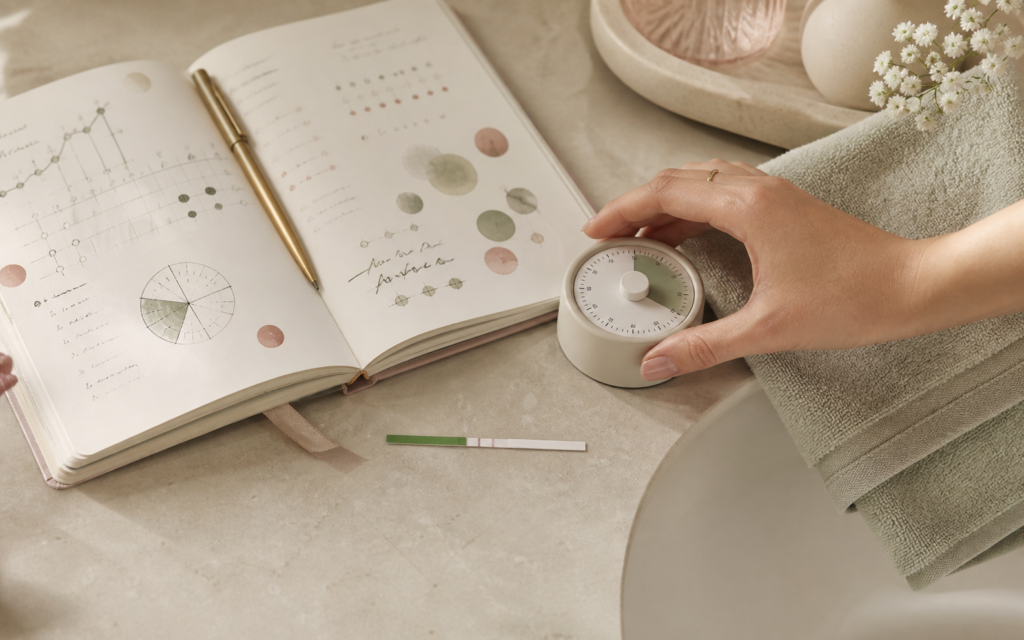
Inito Fertility Monitor
Instead of measuring only LH, the Inito tracks multiple fertility hormones.
It can help confirm ovulation and provide a broader picture of your cycle than traditional ovulation strips alone.
Make sure you select your compatible phone before purchasing and purchase additional test strips.
Affiliate Disclosure
This article contains paid links. If you purchase through one of these links, Bride to Baby may earn a commission at no additional cost to you. As an Amazon Associate I earn from qualifying purchases.


Inito Fertility Tracker for iPhone iOS & Android (All Phones)
(paid link)
Inito Fertility Tracker for iPhone 13 Mini
(paid link)
Inito Fertility Test Strips | Pack of 30
(paid link)
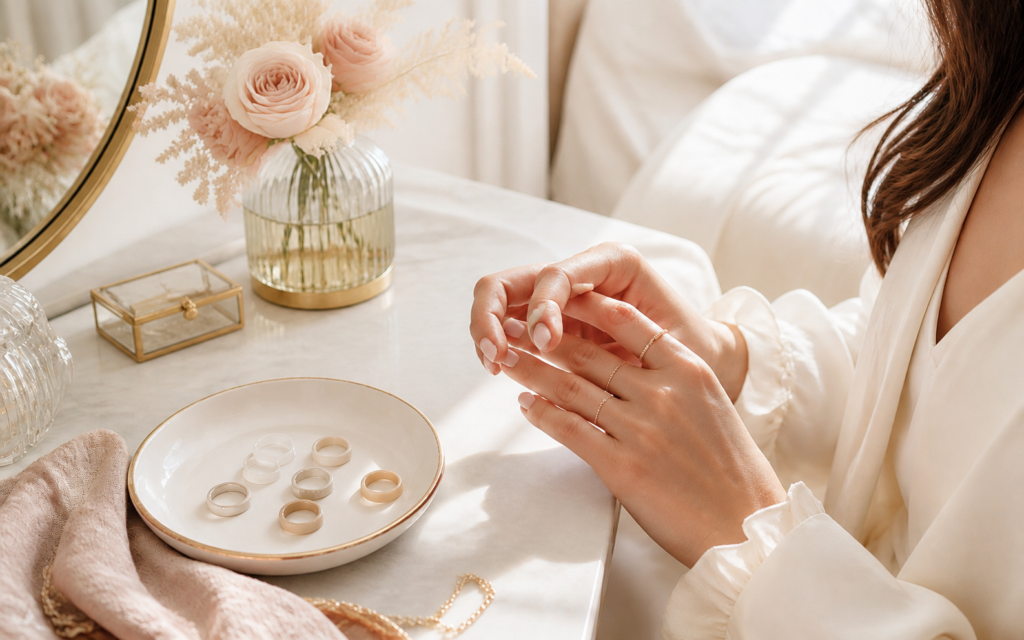
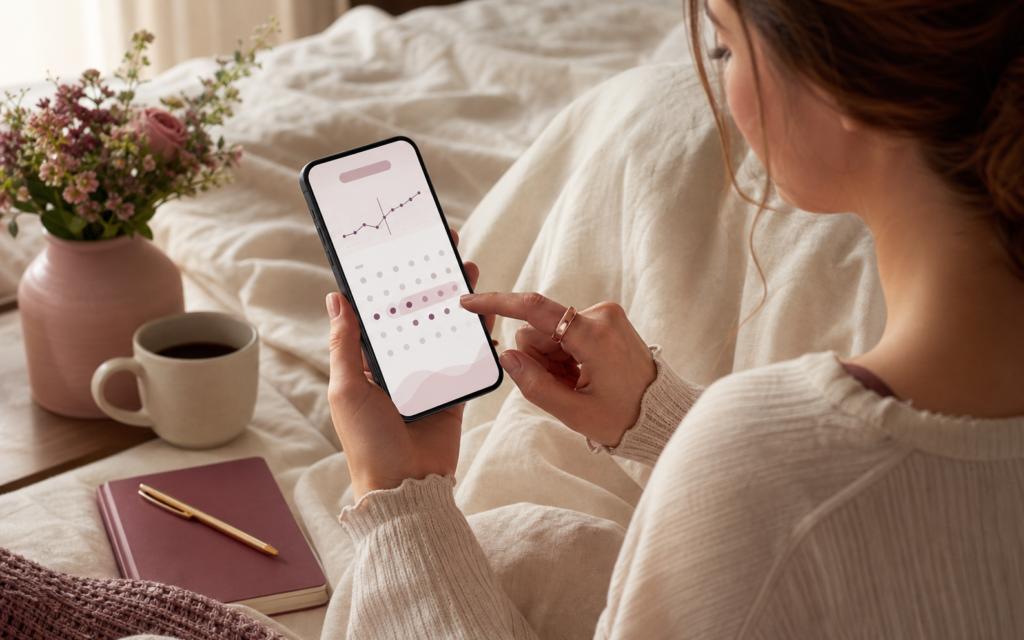
Oura Ring
One of the most useful fertility tools isn’t marketed primarily for fertility.
The Oura Ring tracks:
- Temperature trends
- Sleep quality
- Recovery
- Stress patterns
Because fertility isn’t just about ovulation.
It’s also about overall health.
Oura recently introduced the Oura Ring 5, its newest-generation smart ring. It is currently the world’s smallest smart ring with a more discreet profile.
To use the Oura Ring, I suggest you purchase an Oura Ring Sizing Kit from Amazon. I have been told that each generation of the Oura Ring is sized a little bit differently, so make sure that you are purchasing the correct sizing kit or purchase a new sizing kit if you are upgrading. Oura ring sizes are slightly different than standard ring sizes, so you should not assume your ring size.
Go ahead and measure everyone in your family and save their sizes for a future date because your husband is going to end up wanting one too.
Callie T., Mom of 3


Oura Ring 5 – Sizing Kit
(paid link)
Oura Ring 5 – Deep Rose Gold
(paid link)
Oura Ring 5 – Gold
(paid link)
Oura Ring 5 – Silver
(paid link)
I personally picked the silver to match my other jewelry and I love it.
Kylie R., Mom of 2
Pre-Seed Fertility Lubricant
Many traditional lubricants can negatively affect sperm movement.
Pre-Seed was designed specifically for couples trying to conceive and is often recommended by fertility specialists.

Pre-Seed Lubricant
Pre-Seed is a fertility-friendly lubricant designed to mimic fertile cervical fluid, creating a sperm-friendly environment that supports natural conception.
(paid link)
Acupuncture
I was skeptical at first. I knew two women who believed acupuncture had played a meaningful role in their fertility journeys. But I was finally convinced to try it after the mayor’s wife shared her experience with me.
“Don’t think I’m crazy but my doctor told me I wasn’t able to have any more children after my first two. I went to the acupuncturist and three months later, I was pregnant with my third. You should go see Dr. Lee.”
Megan J., Mom of 3
I was finally convinced.
I realized acupuncture wasn’t about magic.
It was about creating dedicated time to reduce stress, improve circulation, and support overall wellness. If nothing else, it was super relaxing for me which I think overall helped my attitude about getting pregnant.
Many fertility clinics now recommend it as a complementary therapy.
Supplements Worth Discussing With Your Doctor
Every woman is different, so always speak with your healthcare provider before starting supplements.
Some commonly discussed fertility-support supplements include:
A Quality Prenatal Vitamin
Look for:
- Methylated folate
- Iron
- Choline
- Iodine
- Vitamin D
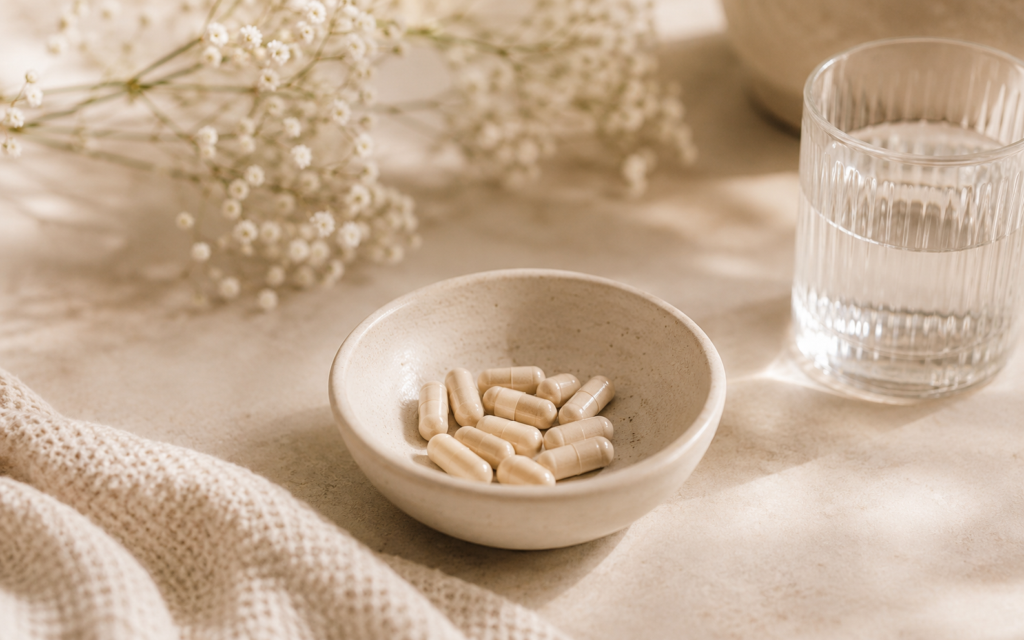

Thorne Basic Prenatal
When you’re preparing for pregnancy, every nutrient matters. Thorne Basic Prenatal provides high-quality, easily absorbed vitamins and minerals to help support your fertility journey.
(paid link)
Mega Food Pre Natal Multi Baby & Me 2
Sold at Target, this is doctor-formulated prenatal is made with methylated folate, choline, and real food–based nutrients to help nourish your body before pregnancy.
CoQ10
Often recommended to support mitochondrial function and egg quality, particularly for women over 35. I would specifically choose Ubiquinol, the active form of CoQ10, rather than the standard Ubiquinone. Many reproductive endocrinologists recommend 200-600 mg daily (often divided doses) for women over 35 who are trying to conceive.

Life Extension Super Ubiquinol CoQ10 100mg
This is one of the most respected brands in the fertility community.
(paid link)
Thorne CoQ10
This is another excellent brand sold at Amazon for quick shipping.
(paid link)
Omega-3 Fatty Acids
Support overall health and may help reduce inflammation.

Nordic Naturals Prenatal DHA
Nordic Naturals Prenatal DHA is third-party tested for purity and delivers highly absorbable omega-3s that support hormone health, egg quality, and a healthy pregnancy.
(paid link)
Vitamin D
Deficiency is surprisingly common and may play a role in fertility. Look for a Vitamin D + K2 for better absorption.

Thorne Vitamin D + K2
Thorne Vitamin D + K2 provides vitamin D, which supports hormone regulation, immune function, and reproductive health—factors that can play a role in fertility, especially if you’re deficient. Vitamin K2 works alongside vitamin D to help your body use calcium effectively, supporting overall bone and maternal health before pregnancy.
(paid link)
Magnesium Glycinate
Can support sleep, stress management, and overall health. Thorne Magnesium Glycinate is a good supplement for this too.
At this point, you might think that I am sponsored by Thorne, but I am not. Thorne has earned a strong reputation for its emphasis on quality control, ingredient sourcing and third-party testing, which gives me additional confidence in the brand.
Thorne Magnesium Glycinate
Magnesium glycinate supports healthy hormone function, stress management, and quality sleep, all important for reproductive health. Correcting a magnesium deficiency may also help support normal ovulation and a healthy fertility journey.
(paid link)
Organic Vitex (Chaste Tree Berry)
This is one of the most commonly used herbal supplements for women who are trying to conceive, but it helps some women much more than others. Potential benefits of Vitex may include lowering elevated prolactin, supporting progesterone production and improving cycle regularity.
Zazzee Organic Vitex
This supplement may help some women by improving hormonal patterns that can make conception more likely. It supports progesterone production, lengthens a short luteal phase, lowers mildly elevated prolactin, and helps regulate menstrual cycles.
(paid link)
What About Peptides?
You may have seen discussions online about fertility-related peptides.
One peptide generating interest is Kisspeptin, which plays a role in triggering reproductive hormone release.
Researchers have studied kisspeptin in fertility medicine, particularly in IVF settings, and it shows promise in certain situations.
However, it is not currently a standard treatment for most women trying to conceive naturally and should only be discussed with a qualified reproductive endocrinologist. The science is evolving, but it’s important to separate exciting research from proven treatment options.
What I Wish Someone Had Told Me
You can track everything perfectly and still need help.
You can do everything “right” and still need answers.
And needing answers doesn’t mean you’ve failed.
If you’ve been trying for months and find yourself collecting more charts than hope, consider making the appointment.
Ask the questions.
Request the testing.
Bring your partner into the conversation.
Because fertility tracking can tell you a lot.
But sometimes the most important information comes from the conversation you finally have with your doctor.
And for many women, that’s where the next chapter begins.
Editor’s Note
If you’re in the thick of trying, I see you. I know how easy it is to turn every cycle into a project and every symptom into a clue. Hope can feel fragile after enough negative tests. But your story is bigger than any chart, app, or fertility window. Keep asking questions. Keep advocating for yourself. And remember that gathering information is not giving up hope—it’s making room for it. ❤️
If you’re struggling with the waiting, read The Quiet Months of Trying.
Bride to Baby
For the years between “I do” and “Mom.”
Affiliate Disclosure: This post contains affiliate links. If you make a purchase through one of these links, Bride to Baby may earn a commission at no additional cost to you. As an Amazon Associate I earn from qualifying purchases.